












When someone close to us begins to need more support at home, many families naturally turn to the people they trust most — friends, neighbors, church members, or long-time companions. What begins as a small act of kindness often grows into consistent caregiving. This shift is deeply meaningful, but it also brings forward a question many families never expect to face: What happens when a personal relationship evolves into a caregiving relationship?
This transition can be beautiful, but it can also introduce new emotional, practical, and relational complexities. Evaluating a home care arrangement becomes even more important when the caregiver is someone you personally know, because both parties need clarity, boundaries, and mutual understanding to prevent strain. The experience is even more layered during a senior transition, when emotions may run higher, routines change, and loved ones seek stability and reassurance.
At Living Your Choice, we regularly speak with families navigating these delicate shifts. Home care is an essential part of the aging journey, and whether it comes from a professional caregiver or a trusted friend, the goal remains the same: to support independence, respect dignity, and protect the relationship at the heart of the arrangement. By understanding how to evaluate expectations, structure communication, and establish healthy boundaries, families can build caregiving partnerships that are both compassionate and sustainable.
This blog explores how to navigate caregiving that grows out of friendship, how to assess the arrangement with clarity, and how to protect the emotional foundations of the relationship — all while ensuring a loved one receives the high-quality care they deserve.
For additional guidance as you navigate the broader senior living landscape, contact Living Your Choice.
Introduction: When Someone You Know Becomes a Caregiver
Caregiving that begins from a place of friendship often feels natural. A trusted friend may stop by to offer help with errands or share a meal. Maybe they provide transportation, help organize medications, or sit with a loved one for companionship. Over time, that support may become regular — and eventually, essential.
However, when a friend becomes a caregiver, the dynamics shift. A familiar relationship now includes responsibilities, expectations, and emotional complexities typically reserved for professional caregiving roles. This is not a negative adjustment — in fact, many seniors benefit emotionally from being cared for by someone they already know. But even the warmest personal relationship can feel pressured without clear boundaries.
Evaluating a home care arrangement within this context isn’t about questioning intentions. It’s about ensuring both individuals have the structure and support needed to maintain connection without overwhelming either party.
Many families explore this dynamic during a senior transition, when care needs increase and the line between “helping” and “caregiving” becomes hard to define. The goal is to preserve the relationship, not complicate it.
The Unique Nature of Personal-to-Caregiving Transitions
Friendship carries emotional weight. Adding caregiving responsibilities introduces new layers:
- The caregiver may feel hesitant to set limits
- The senior may feel uncomfortable accepting help
- Both may worry about affecting the relationship
This complexity doesn’t mean personal caregivers are unprepared or incapable. It simply means the situation requires intentional conversation — something families often overlook because the relationship is familiar.
When evaluating whether a caregiving arrangement is sustainable, consider how the relationship has changed. Does the caregiver feel pressure to do more than they originally agreed to? Does the senior feel reluctant to express needs out of concern for burdening someone they care about?
These early cues are worth noticing, especially when long-term senior living plans are part of the discussion. Living Your Choice works with families who want to continue honoring personal relationships while preparing for future needs, which often change during the senior transition stage.
Understanding Support Needs Beyond Friendship
Friendship naturally involves helping one another. But caregiving includes tasks that often exceed what a personal relationship can reasonably sustain. Understanding this difference is key to evaluating whether home care — either personal or professional — is the best fit.
Consider the types of support required:
- Household management
- Transportation
- Medication assistance
- Personal care tasks
- Companionship
- Cognitive reminders
- Meal preparation
- Emotional support
Some tasks feel simple and natural. Others may require training, stamina, or time the caregiver may not consistently have. Again, this is not a reflection of inadequacy; it is simply the reality that caregiving is a demanding role.
Families evaluating home care arrangements should take an honest look at what the senior needs now — and what they may need soon. This is particularly important during a senior transition, when care needs can shift quickly.
Having these discussions early helps maintain trust and clarity. It also empowers the personal caregiver to speak openly about what they can and cannot take on without strain.

Why Boundaries Protect Relationships — Not Divide Them
Boundaries are often misunderstood. They’re not barriers — they’re agreements that protect emotional well-being and preserve the health of the relationship. When caregiving evolves from personal relationships, boundaries become even more essential.
Boundaries may involve:
- Time limits or schedule expectations
- Clear responsibilities
- Topics that require professional support
- Communication preferences
- Rest periods or days off
Families often overlook the importance of building structure around personal caregiving, assuming that closeness will fill any gaps. But structure is what prevents misunderstandings and resentment — and what allows the relationship to remain respectful and balanced.
Healthy boundaries are especially important if the senior living situation changes or additional care becomes necessary. Living Your Choice often helps families navigate these shifts gracefully, particularly when emotions and uncertainty accompany senior transitions.
Evaluating the Emotional Health of the Caregiver-Senior Dynamic
A personal caregiver may be emotionally invested in the senior’s well-being. This can be a tremendous asset — but emotional investment also increases vulnerability.
Ask yourself:
- Does the caregiver feel guilt when unavailable?
- Does the senior feel dependent in an uncomfortable way?
- Does either person have trouble communicating needs or concerns?
- Is the caregiver having trouble balancing their personal life?
- Are boundaries unintentionally crossed because expectations are unclear?
An emotionally healthy caregiving relationship is one where both individuals feel safe speaking honestly. If either feels strained or overwhelmed, it’s a sign to reassess the structure — not a sign of failure.
Supporting emotional health is central to the success of any caregiving arrangement, especially during a senior transition when emotional needs evolve.
Coordinating Support With Professional Home Care Agencies
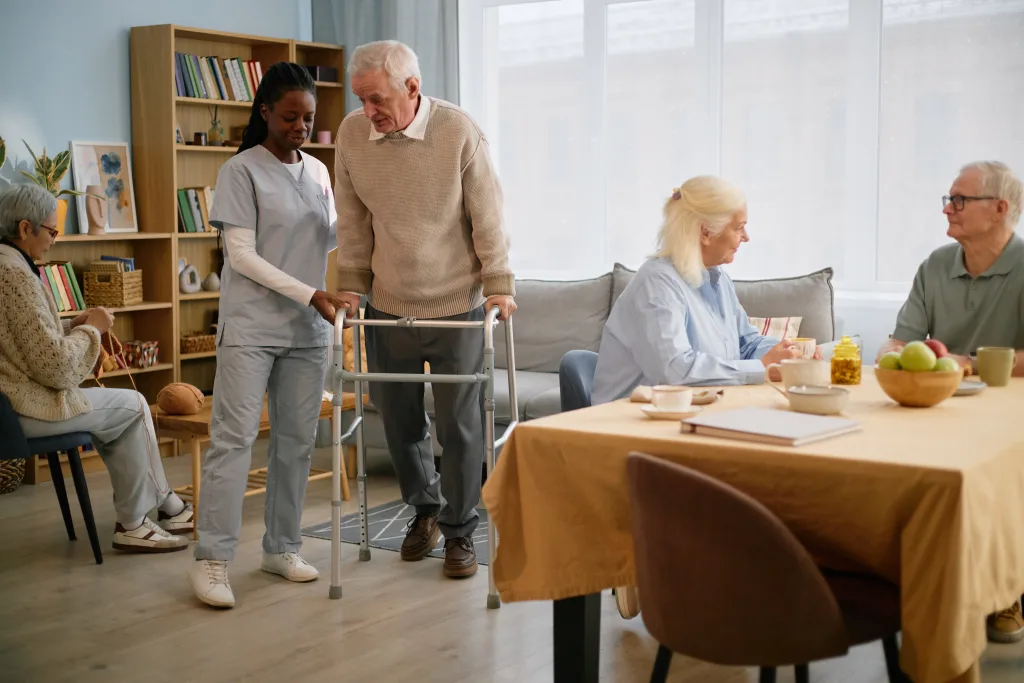
Sometimes a blended approach works best. A loved one can continue providing meaningful companionship and personal connection while a professional caregiver handles practical, specialized, or physically demanding tasks.
Working with a home care agency can actually support and strengthen personal caregiving relationships by:
- Reducing pressure on the friend or loved one
- Providing backup during scheduling conflicts
- Offering trained support for complex tasks
- Helping establish routines
- Ensuring continuity during health changes
This approach also helps ensure the senior receives comprehensive support while their personal relationships remain intact.
Evaluating a home care agency should involve discussions about how they can complement existing support rather than replace it — creating a cooperative team that centers the senior’s needs.
This collaborative approach fits naturally within the broader senior living planning process. Living Your Choice helps families find the right blend of personal support, professional care, and long-term planning that suits each individual.
Signs It’s Time to Add Professional Support
Even when a loved one begins as the primary caregiver, there may come a time when additional support is needed.
Consider seeking extra help if:
- Care needs exceed what one person can manage
- The caregiver is experiencing fatigue or emotional strain
- Safety concerns are increasing
- Tasks require professional training
- The senior’s needs are changing rapidly
- The caregiver’s availability is limited
- Companionship is no longer enough to ensure well-being
Recognizing these signs early helps ensure a senior receives consistent, safe, and uplifting care while protecting the caregiver from burnout. This step is often part of a natural senior transition, and families benefit from planning ahead.
Technology, Tools, and Creative Support Systems
Evaluating home care arrangements today includes exploring tools that support caregivers, such as:
- Medication management apps
- Transportation solutions
- Emergency alert systems
- Virtual check-ins
- Grocery or meal delivery services
- Home modification options
These tools reduce the pressure on personal caregivers and help ensure seniors remain safe and supported. They also provide peace of mind to families navigating broader senior living decisions.
Maintaining the Heart of the Relationship
At its core, caregiving that arises from friendship is an act of love. Evaluating the arrangement isn’t about minimizing that bond — it’s about preserving it. Establishing boundaries, involving professionals when needed, and maintaining open communication allow the relationship to continue thriving with dignity and respect.
The goal is not to remove the personal caregiver’s presence but to ensure they remain emotionally, physically, and mentally supported. In fact, balanced caregiving often strengthens relationships rather than straining them.
Families who keep long-term well-being at the forefront tend to create caregiving structures that work beautifully throughout the senior transition and beyond.
Conclusion: You Don’t Have to Navigate This Journey Alone
The shift from friendship to caregiving is meaningful, emotional, and deeply personal. When approached with clarity, compassion, and structure, it can become one of the most supportive chapters in a senior’s life. Evaluating your caregiving arrangement — whether personal, professional, or blended — helps protect relationships, ensure safety, and maintain dignity as needs evolve.
Living Your Choice is dedicated to enhancing the quality of life for seniors by helping locate the right type of senior-living community based on your personal preferences and lifestyle. If you are navigating caregiving dynamics, evaluating home care options, or preparing for a senior transition, we are here to help.
We invite you to leave a comment below, share your thoughts or experiences, and reach out to us directly for guidance and personalized support. Visit us anytime.
Your loved one deserves care rooted in respect, compassion, and thoughtful planning — and we are honored to be part of your journey.
