










Across the United States, families and communities are rediscovering the power of shared generations. The idea of intergenerational living — where seniors and younger adults live side-by-side — is gaining renewed attention as families look for ways to strengthen community bonds and create meaningful connections.
In the world of senior living, this model is transforming what it means to age well. No longer just about care, today’s communities focus on engagement, purpose, and belonging. Intergenerational programs offer seniors daily opportunities to interact with younger people, share skills, and form friendships that enrich life in unexpected ways.
At Living Your Choice, we’ve seen how powerful these connections can be. Whether through volunteer programs, shared living arrangements, or blended community designs, seniors who engage with multiple generations often experience greater joy, vitality, and emotional well-being.
If you’re exploring senior placement, understanding how intergenerational living works — and its many benefits — can help you choose a community that promotes lifelong connection and purpose.
1. What Is Intergenerational Living?
Intergenerational living brings together people of different age groups — typically seniors and younger adults or families — within the same neighborhood, apartment complex, or community. The idea is simple: when people of different generations live and interact closely, everyone benefits.
This concept is being embraced by senior living communities across the country. Some partner with local colleges to create student-resident housing programs, while others invite young professionals or families to share community events, meals, and mentorship activities.
For families considering senior placement, intergenerational environments offer more than just housing — they provide energy, diversity, and a renewed sense of belonging for older adults. Seniors who live in these communities often describe feeling “plugged in” rather than isolated, surrounded by people who bring new ideas and enthusiasm into their daily lives.
At Living Your Choice, we help families find communities that go beyond traditional care models. These are places where every generation is valued, and seniors thrive in an environment full of laughter, learning, and purpose.
2. Why Intergenerational Living Matters
Human connection is essential at every age, but it becomes even more vital in later life. Studies show that social isolation can impact both physical and mental health. By contrast, regular interaction with younger people can boost mood, stimulate memory, and inspire creativity.
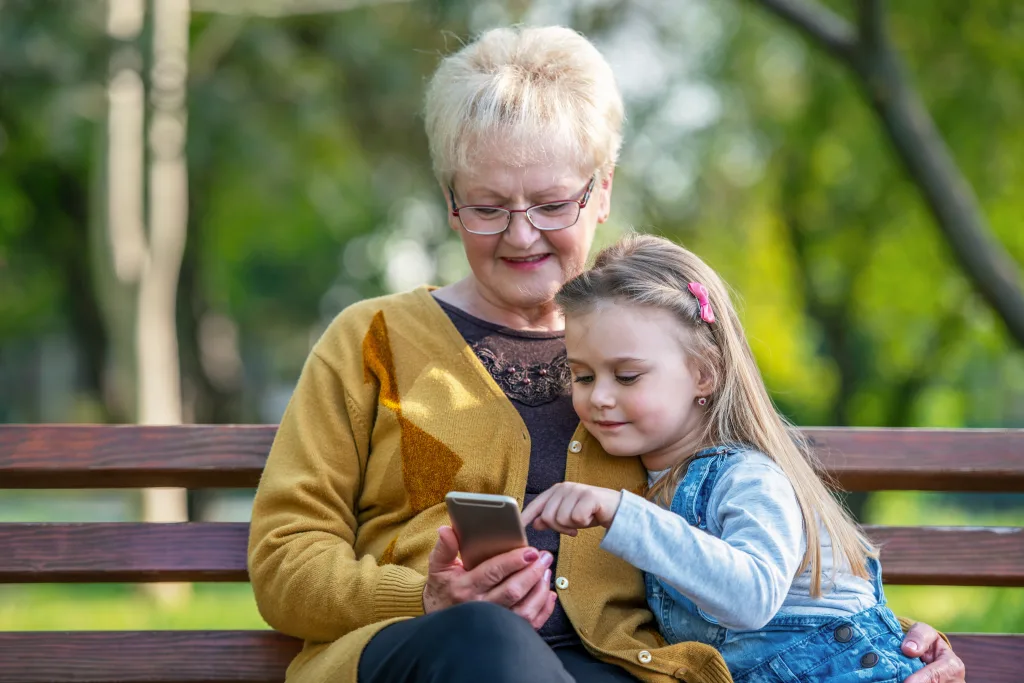
In the context of senior living, intergenerational programs offer daily opportunities for growth. Seniors might mentor a student, learn new technology from a young neighbor, or join a community garden project alongside local families. These activities help maintain a sense of relevance and joy.
For families exploring senior placement, the benefits go both ways. Younger residents gain wisdom, perspective, and empathy through daily contact with older generations. The exchange of stories, skills, and support creates stronger communities and friendships that defy age barriers.
At Living Your Choice, we believe that true wellness in senior care extends beyond health — it’s about connection, contribution, and community. Intergenerational living captures all three in one vibrant, human-centered approach.
3. Examples of Intergenerational Communities in Action
While every intergenerational community looks different, they share one common value: bringing people together.
Some inspiring examples include:
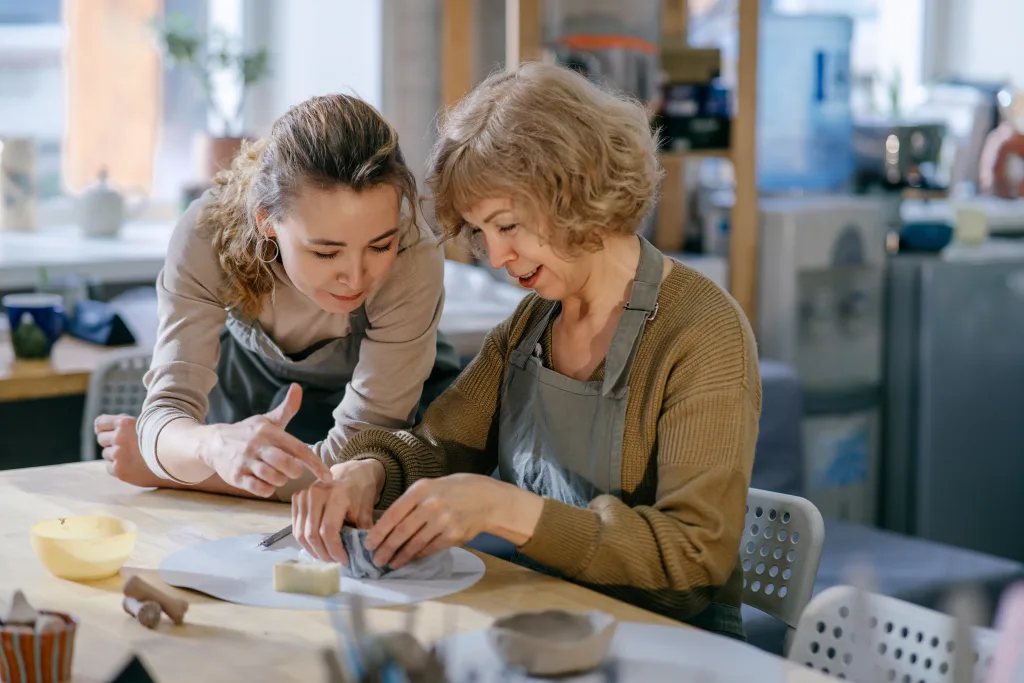
- University-linked communities: Some campuses now partner with senior living residences, inviting older adults to attend classes, mentor students, and even live alongside them. These arrangements foster learning and friendship on both sides.
- Family-inclusive neighborhoods: New housing developments are being designed for multiple generations — offering shared gardens, recreation centers, and community kitchens that encourage collaboration.
- Volunteer-based programs: Seniors volunteer at local schools, youth centers, or libraries as tutors and mentors, while young people visit communities for art, music, or service projects.
For those seeking senior placement, asking whether a community offers intergenerational activities can be a meaningful part of the decision process. Many modern communities are intentionally designed to bridge generational gaps, promoting shared experiences instead of age separation.
At Living Your Choice, we connect families with communities that support these creative programs — where learning, laughter, and relationships continue to flourish across generations.
4. The Emotional Benefits for Seniors
The emotional rewards of intergenerational living go far beyond companionship. Seniors often rediscover a renewed sense of purpose when they engage with younger people. Teaching, mentoring, or simply sharing stories can provide deep satisfaction and pride.
This engagement also combats loneliness, which is one of the most common challenges in senior living. Even in bustling communities, residents sometimes need purposeful connections to feel truly fulfilled. Intergenerational interactions transform passive days into meaningful experiences.
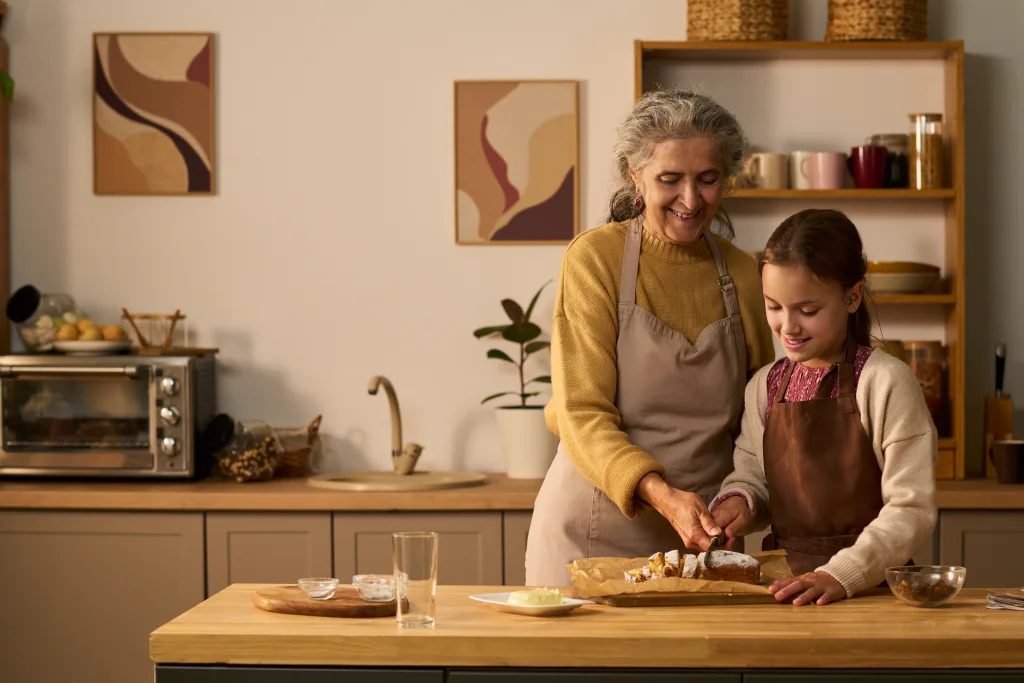
Families seeking senior placement often tell us they want environments where their loved ones feel alive and valued — not just cared for. Intergenerational programs create that sense of fulfillment. Whether it’s cooking together, attending cultural events, or celebrating holidays as one community, these shared moments nurture belonging.
At Living Your Choice, we carefully consider emotional wellness when recommending communities. We know that joy, connection, and purpose are just as important to longevity as medical care or safety features.
5. Benefits for Younger Generations
Intergenerational living is not just beneficial for seniors — it profoundly impacts young adults and children too. By engaging with older generations, young people gain wisdom, perspective, and a better understanding of empathy and patience.
In many senior living partnerships with local colleges or schools, students form friendships with residents that enrich both their academic and personal lives. They learn resilience, gratitude, and the value of listening — lessons that can’t be taught in classrooms alone.
For families exploring senior placement, this reciprocal learning dynamic is a powerful sign of community strength. It shows that a residence values inclusion, mutual respect, and growth across ages.
Living Your Choice recognizes that these environments create well-rounded, compassionate communities. Seniors are not just receiving care — they’re offering mentorship and purpose. That’s the kind of energy that sustains long-term well-being for everyone involved.
6. How Families Can Encourage Intergenerational Connections
Even before choosing a community, families can begin incorporating intergenerational experiences into their loved one’s routine.
Here are some simple ways to start:
- Family Gatherings: Plan events that mix all age groups — from grandkids to grandparents — in shared activities like cooking, gardening, or game nights.
- Community Volunteering: Encourage seniors to join local mentorship or school programs where they can share their skills and stories.
- Technology Bridges: Use video calls or messaging apps to help seniors connect with younger family members who live far away.
These habits build connection and make the transition into an intergenerational senior living community feel natural.
When families begin exploring senior placement, they can prioritize communities that already embrace these values. At Living Your Choice, we take time to understand your loved one’s personality, interests, and preferred level of social engagement — ensuring they find a place where they can both give and receive in meaningful ways.
7. How Intergenerational Living Shapes the Future of Senior Living
The future of senior living is social, connected, and inclusive. Intergenerational models are proving that seniors don’t just want care — they want community, creativity, and collaboration.
As technology, design, and lifestyle preferences evolve, more senior placement options will reflect these values. Expect to see communities that integrate learning centers, childcare programs, and shared spaces designed to bring people together.
For families, this means more choices and more opportunities to align a loved one’s next home with their heart and passions. At Living Your Choice, we stay ahead of these trends — helping you find communities that don’t just meet needs, but also inspire daily joy.
Our mission is to ensure that every recommendation supports dignity, engagement, and connection at every stage of life.
Conclusion: Where Generations Grow Together
Intergenerational living reminds us that community has no age limit. By bringing seniors and younger people together, we create environments filled with learning, laughter, and love.
For families beginning their senior placement journey, considering a community with intergenerational programs can make a world of difference. It ensures your loved one remains active, inspired, and connected — surrounded by people who value their wisdom and warmth.
At Living Your Choice, we’re dedicated to enhancing the quality of life for seniors by helping locate the right type of senior-living community based on your personal preferences and lifestyle.
